Astro Guide
12 posts in this series
What is Astro? Understanding Zero JS, Islands Architecture, and Content-First in 3 Minutes
Astro is a content-first framework that boosts blog performance 3x through zero JS by default and Islands Architecture. Learn Astro's core concepts, how it differs from Next.js/React, and when to use it.

Building an Astro Blog from Scratch: Complete Guide from Homepage to Deployment in 1 Hour
Step-by-step guide to building a personal blog with Astro, covering everything from setup to deployment. Includes homepage, article lists, tag categories, RSS feeds, and SEO optimization. Beginner-friendly tutorial to launch a production-ready blog in under an hour.
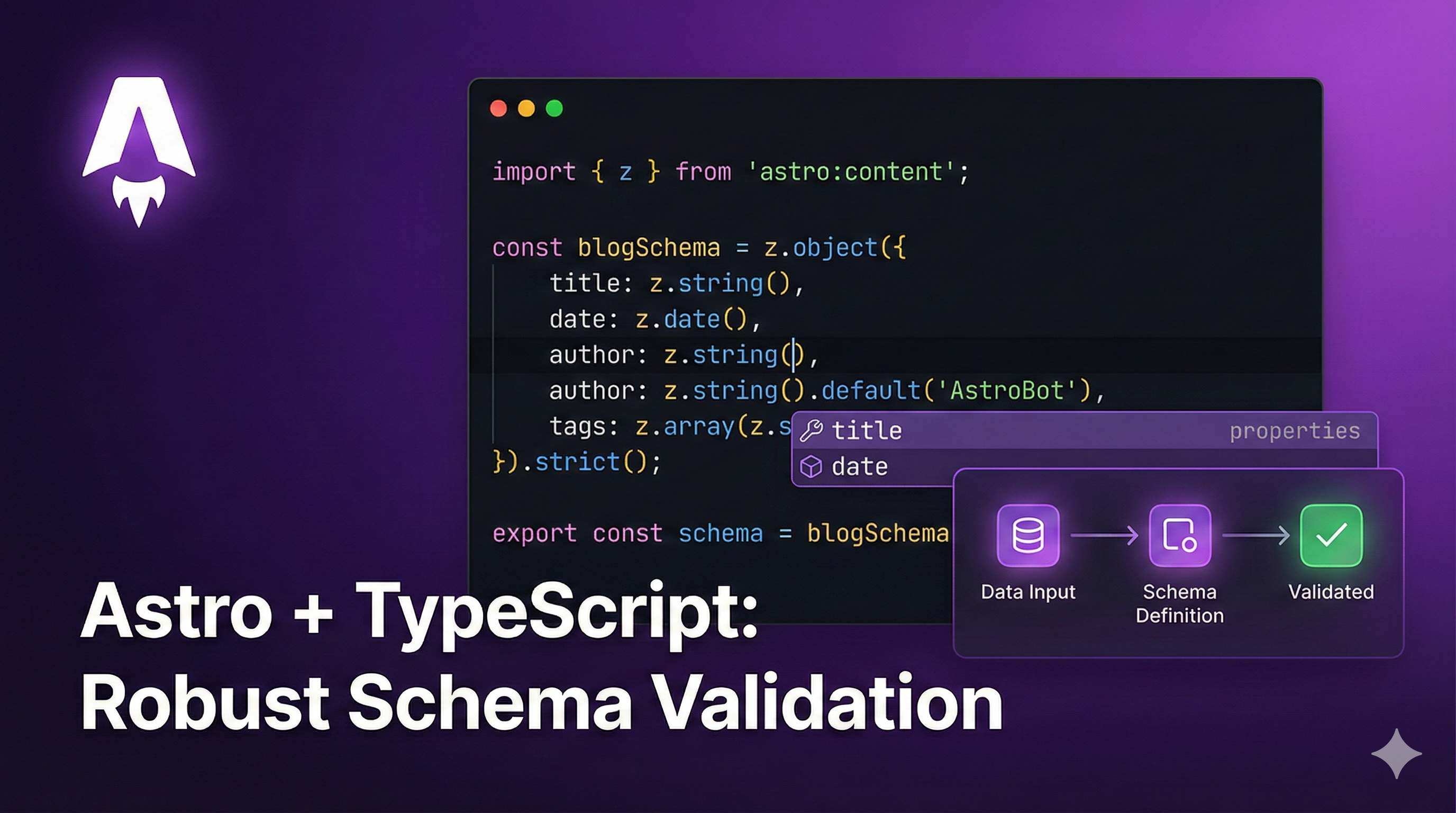
Complete Guide to Astro Content Collections: From Concept to Schema Validation
Master Astro Content Collections with this comprehensive guide. Learn to configure content.config.ts, implement Zod Schema validation, and build type-safe content management systems. Includes complete code examples and troubleshooting solutions.
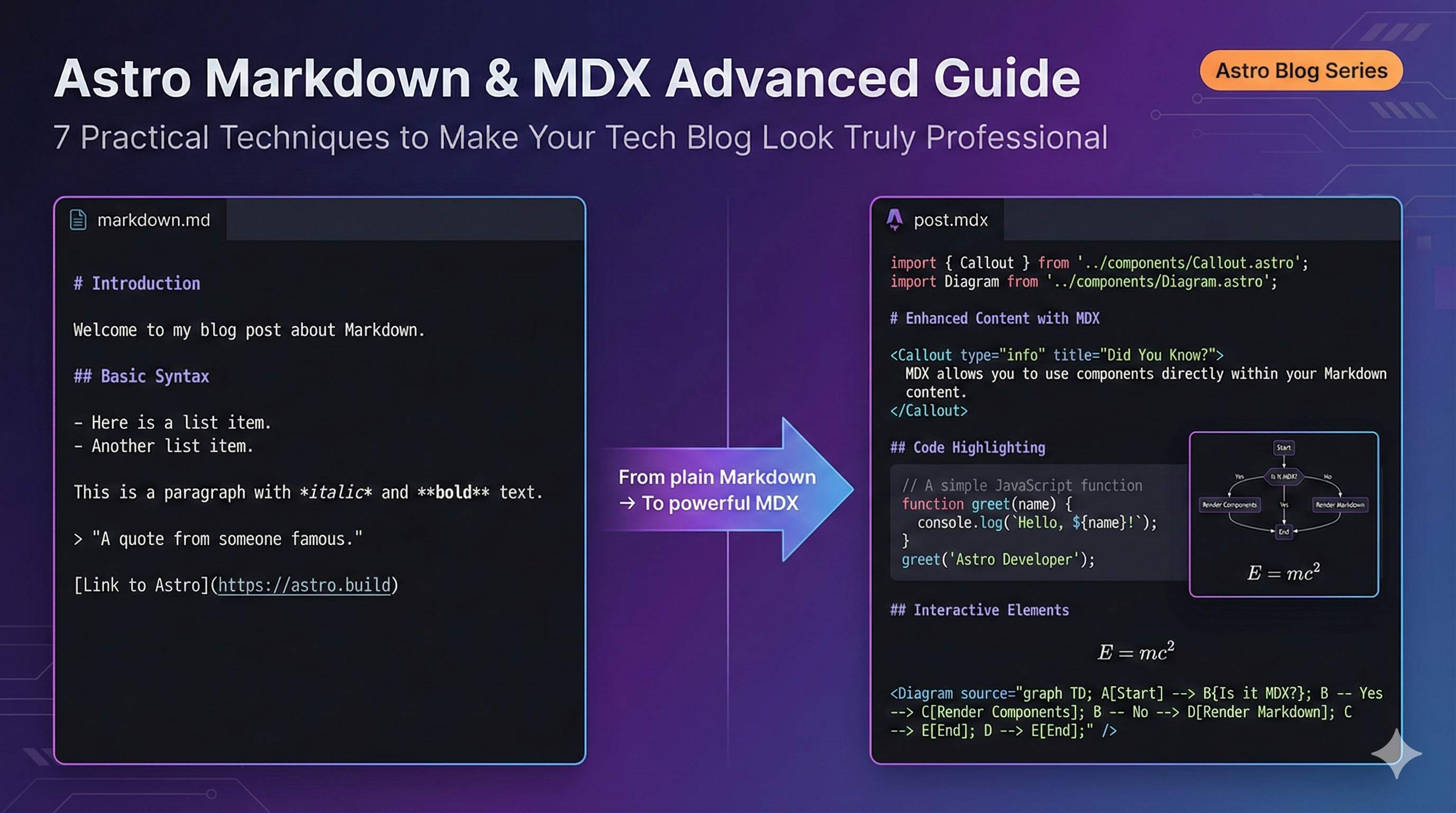
Astro Markdown Advanced Guide: 7 Tips to Make Your Blog 10x More Professional
Complete guide to mastering Astro Markdown/MDX advanced features: configure code highlighting themes, embed custom components, display math formulas and flowcharts. Includes detailed configuration steps, practical code examples, and solutions to common issues to make your tech blog truly professional.
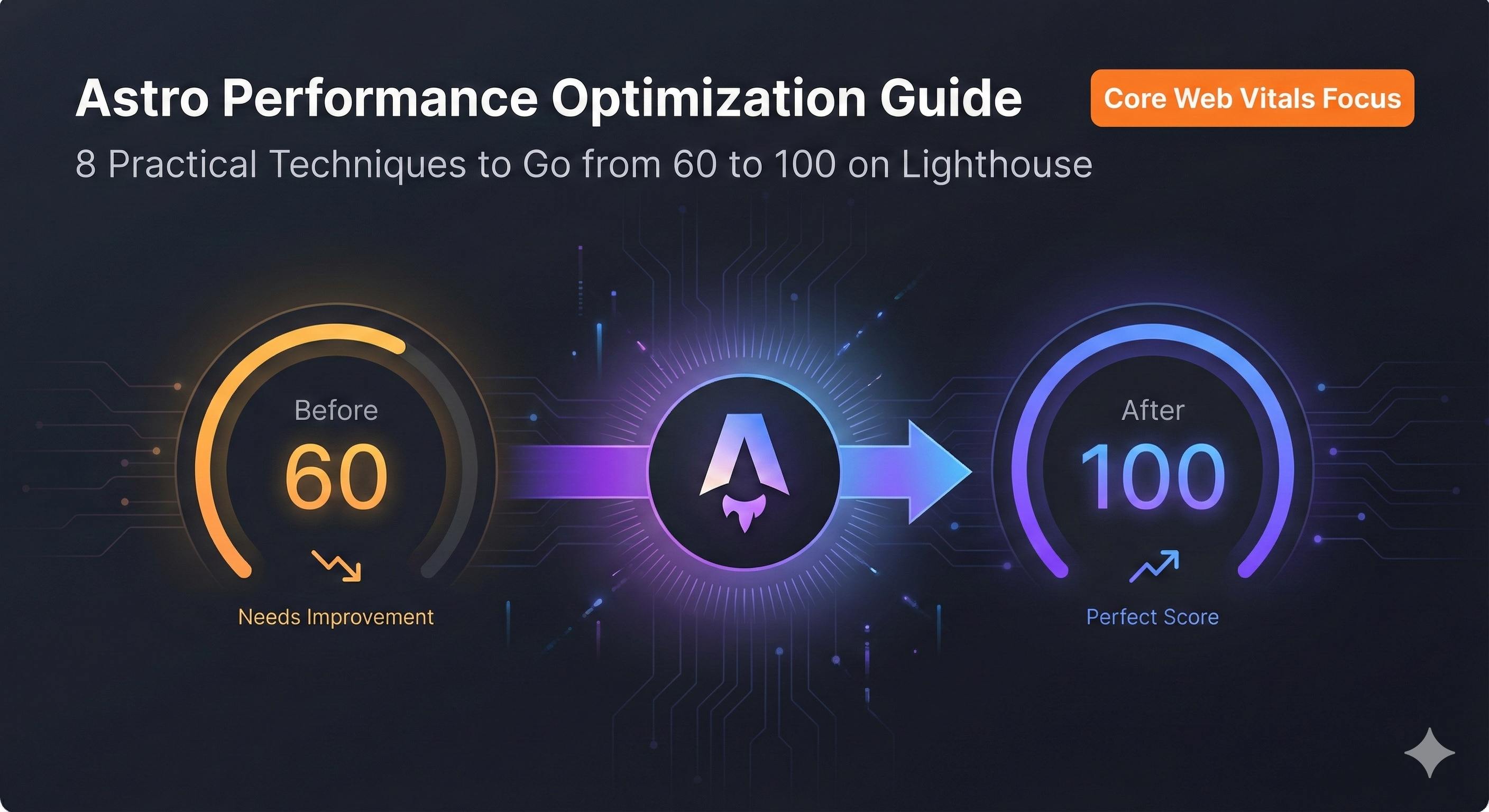
5 Best Astro Blog Themes with Detailed Installation Guide
Want to build a blog quickly but don't know which theme to choose? This guide recommends 5 battle-tested Astro blog themes (AstroPaper, Astro Air Blog, etc.) with detailed installation tutorials and troubleshooting tips. Get your personal blog up in 30 minutes.
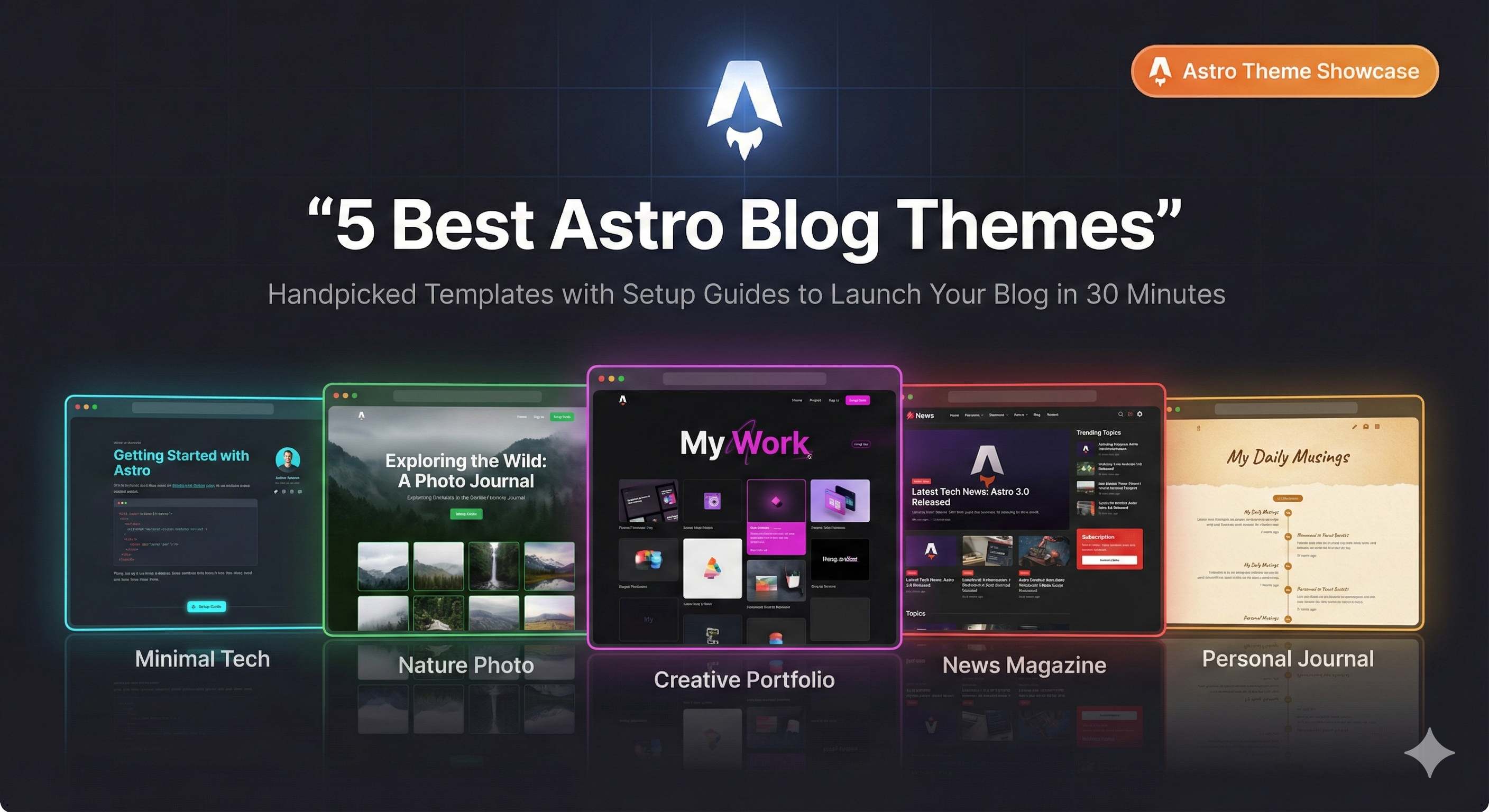
Astro i18n Configuration Guide: Build a Multilingual Site in 30 Minutes (with Language Switcher)
Master Astro i18n configuration in 30 minutes! From basic setup to language switcher implementation. Complete code examples, routing strategies, Content Collections approach, and SEO optimization tips.
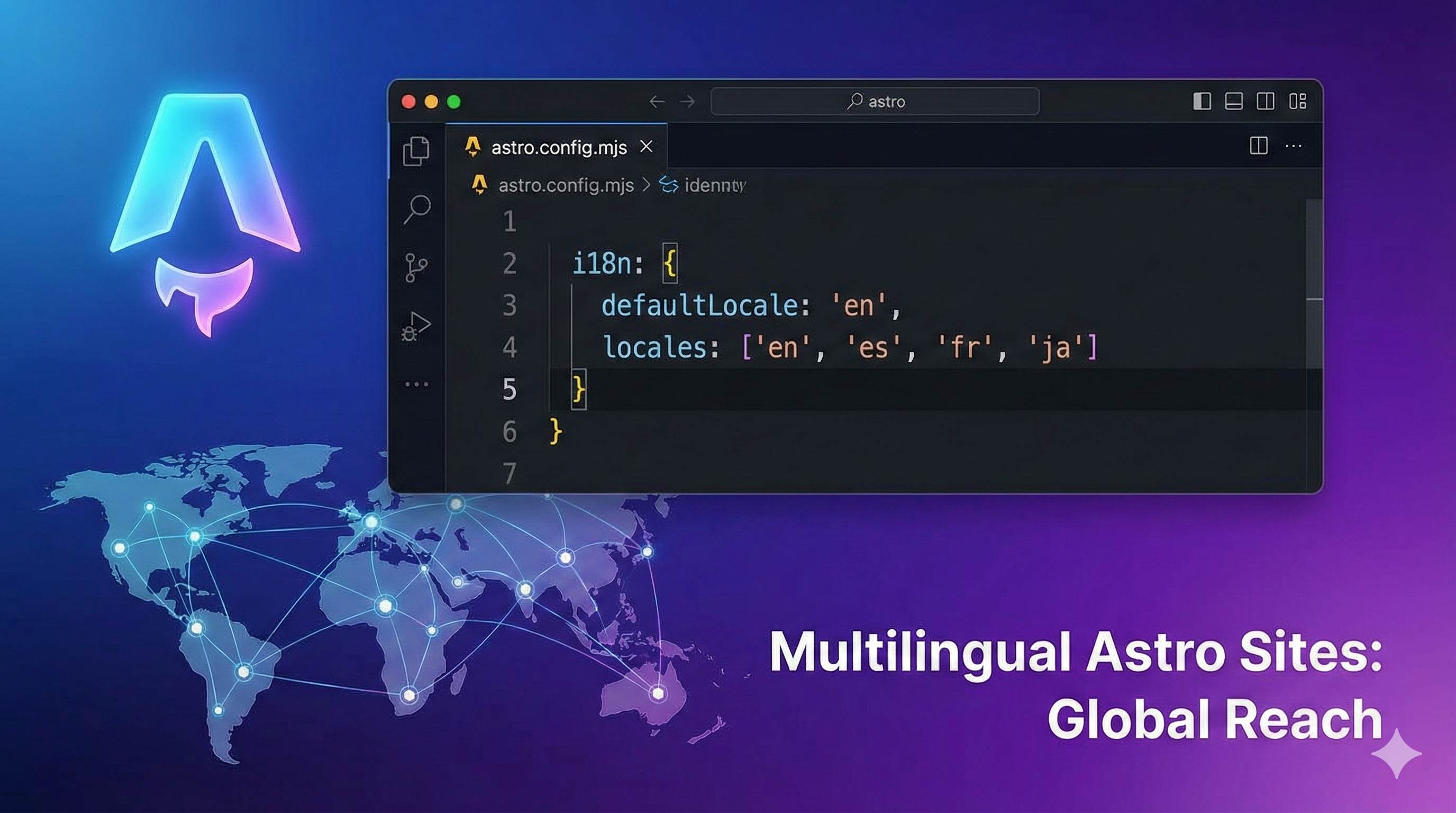
Complete Guide to Astro Website SEO: From Meta Tags to Search Rankings
Step-by-step guide to configuring comprehensive SEO for your Astro website, including meta tags, sitemap, robots.txt, and JSON-LD structured data. Complete core setup in 30 minutes, boost Google search rankings with ready-to-use code examples.
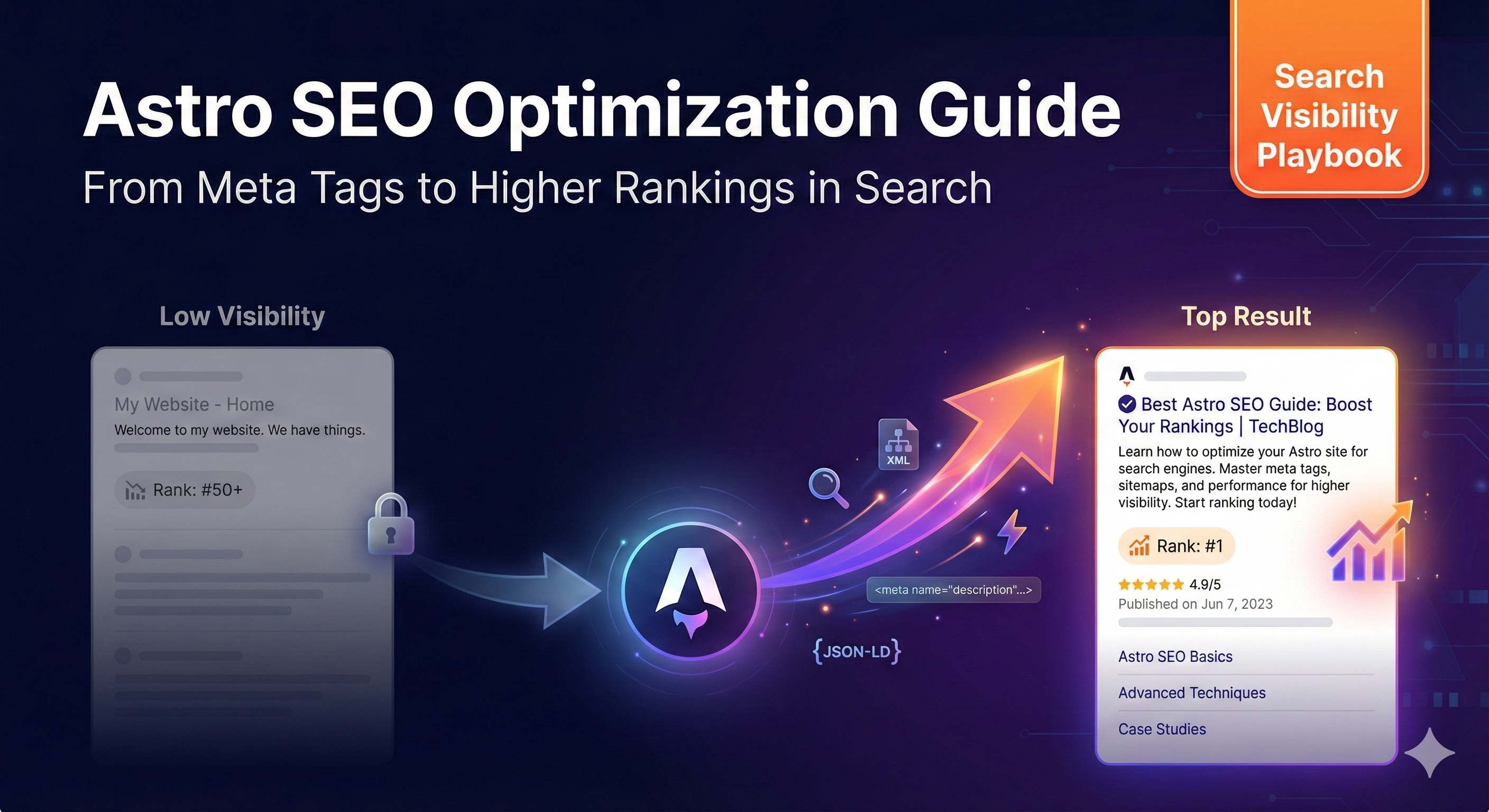
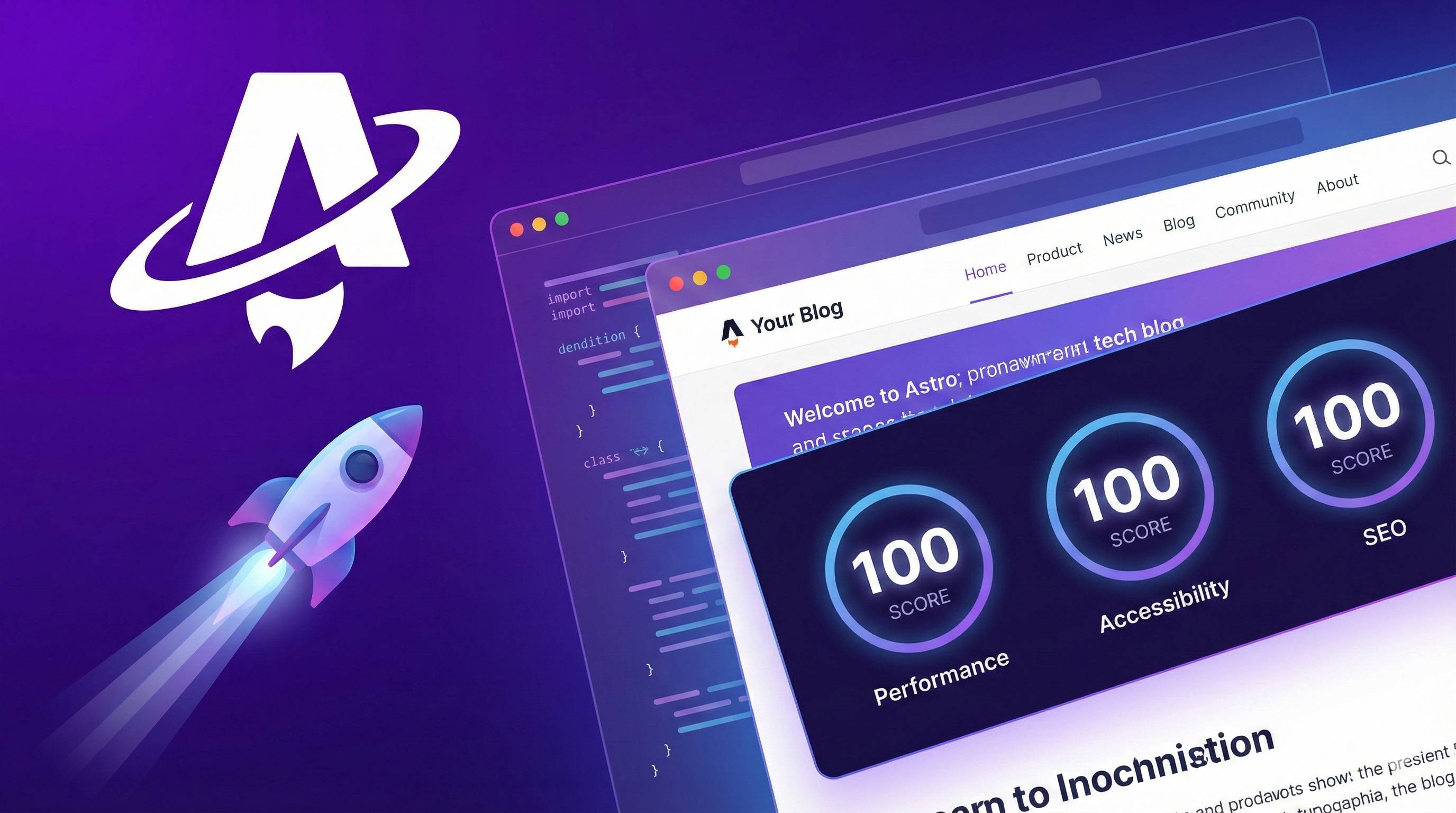
Complete Guide to Astro Performance Optimization: 8 Practical Tips to Achieve Perfect Lighthouse Scores
Systematically optimize your Astro website performance with 8 core techniques: Islands Architecture, hydration strategies, image optimization, font optimization, code splitting, preloading, Core Web Vitals tuning, and performance testing to achieve perfect Lighthouse scores
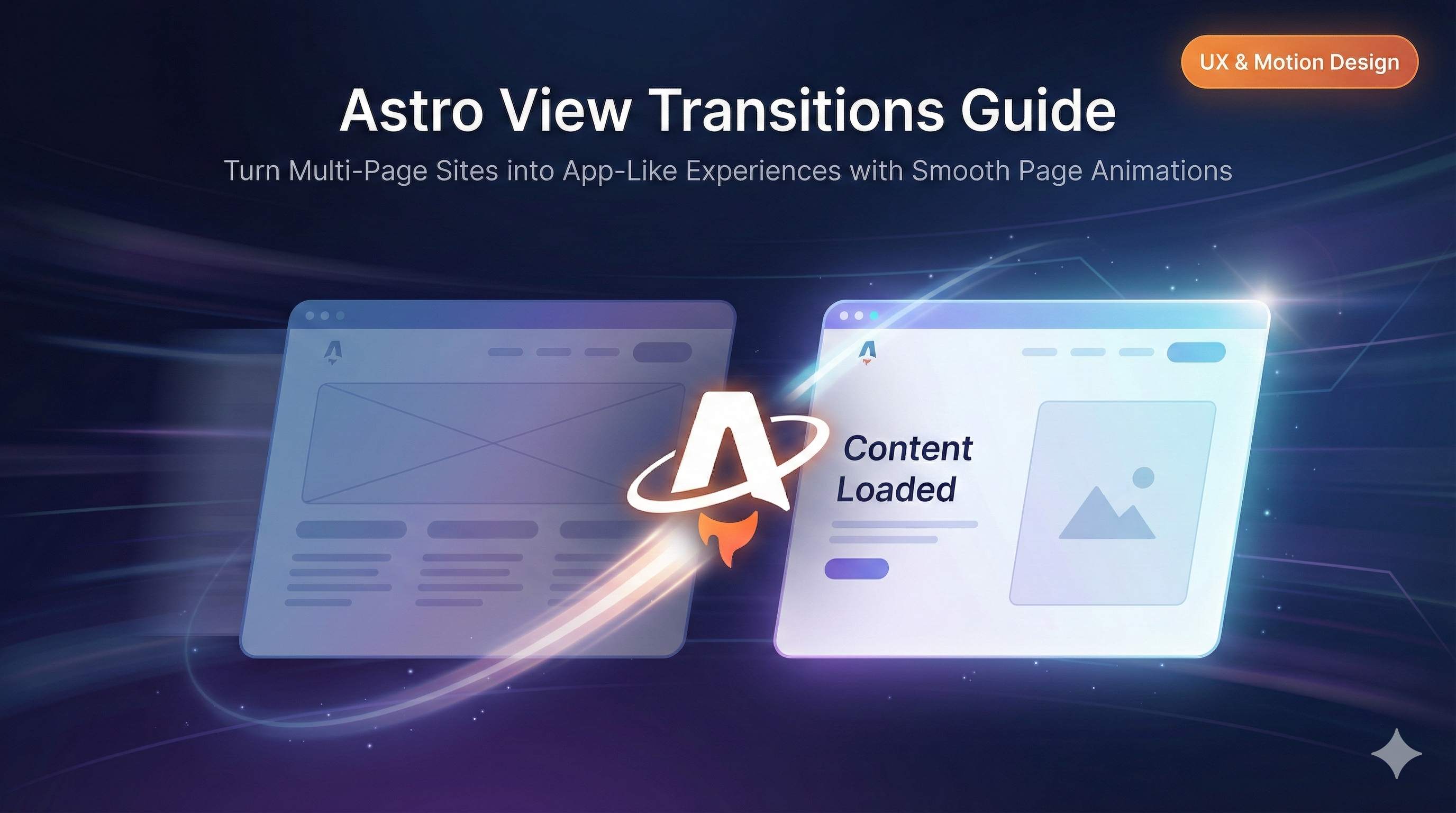
Astro View Transitions: Give Your Website App-Like Smooth Experience with Just 2 Lines of Code
View Transitions API enables Astro websites to have native-level page transition animations. No React/Vue needed—achieve SPA-like smoothness with just 2 lines of code. Complete practical guide with best practices included.
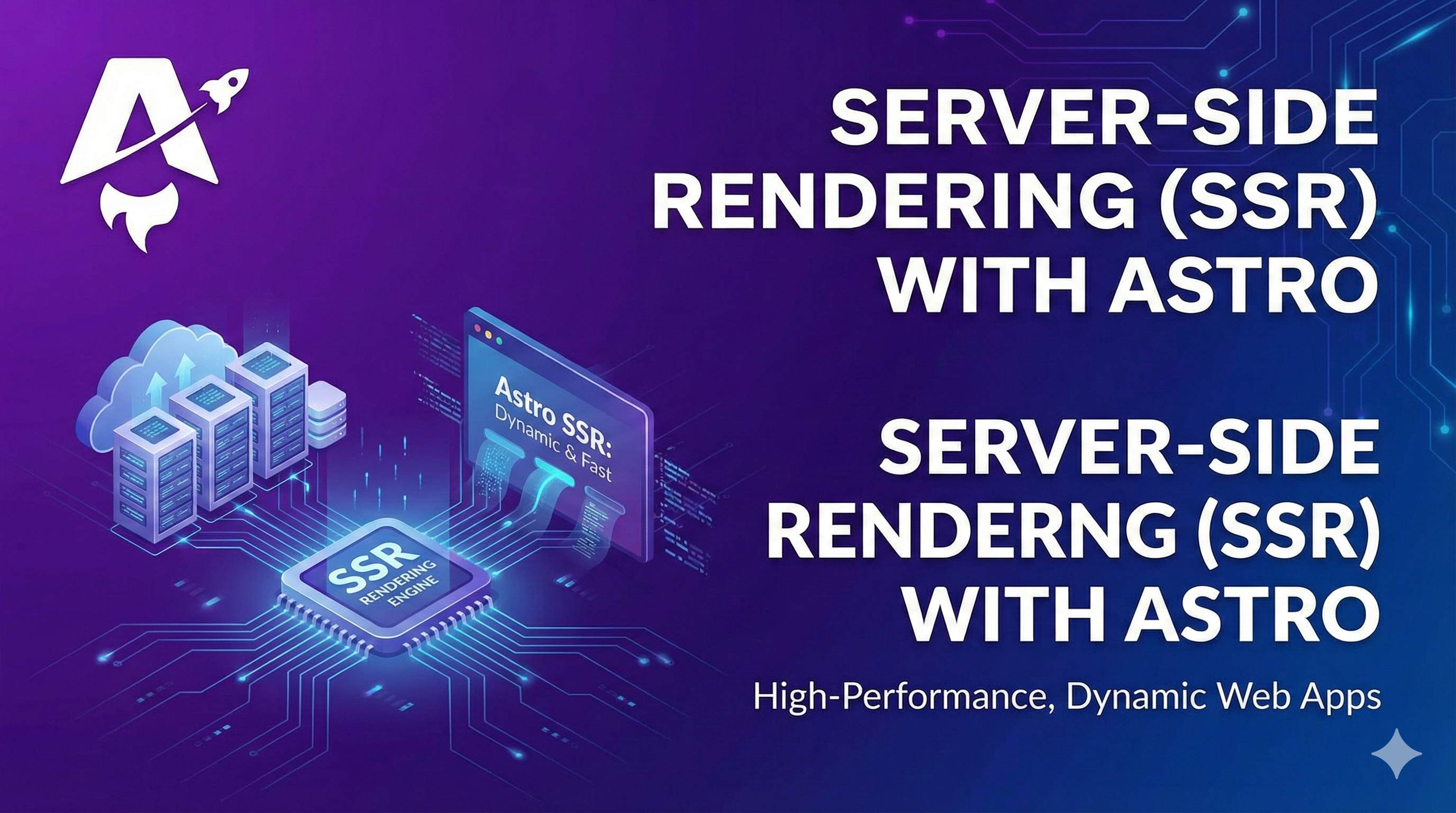
Complete Guide to Astro SSR: Enable Server-Side Rendering in 3 Steps and End Your Tech Stack Confusion
Not sure when you need Astro SSR? Confused about adapter configuration? This guide uses real-world scenarios and complete code examples to teach you how to enable SSR in 3 steps, configure Vercel/Netlify/Node.js adapters, and master SSR/SSG/Hybrid mixed-mode strategies. Go from beginner to production-ready in 30 minutes.
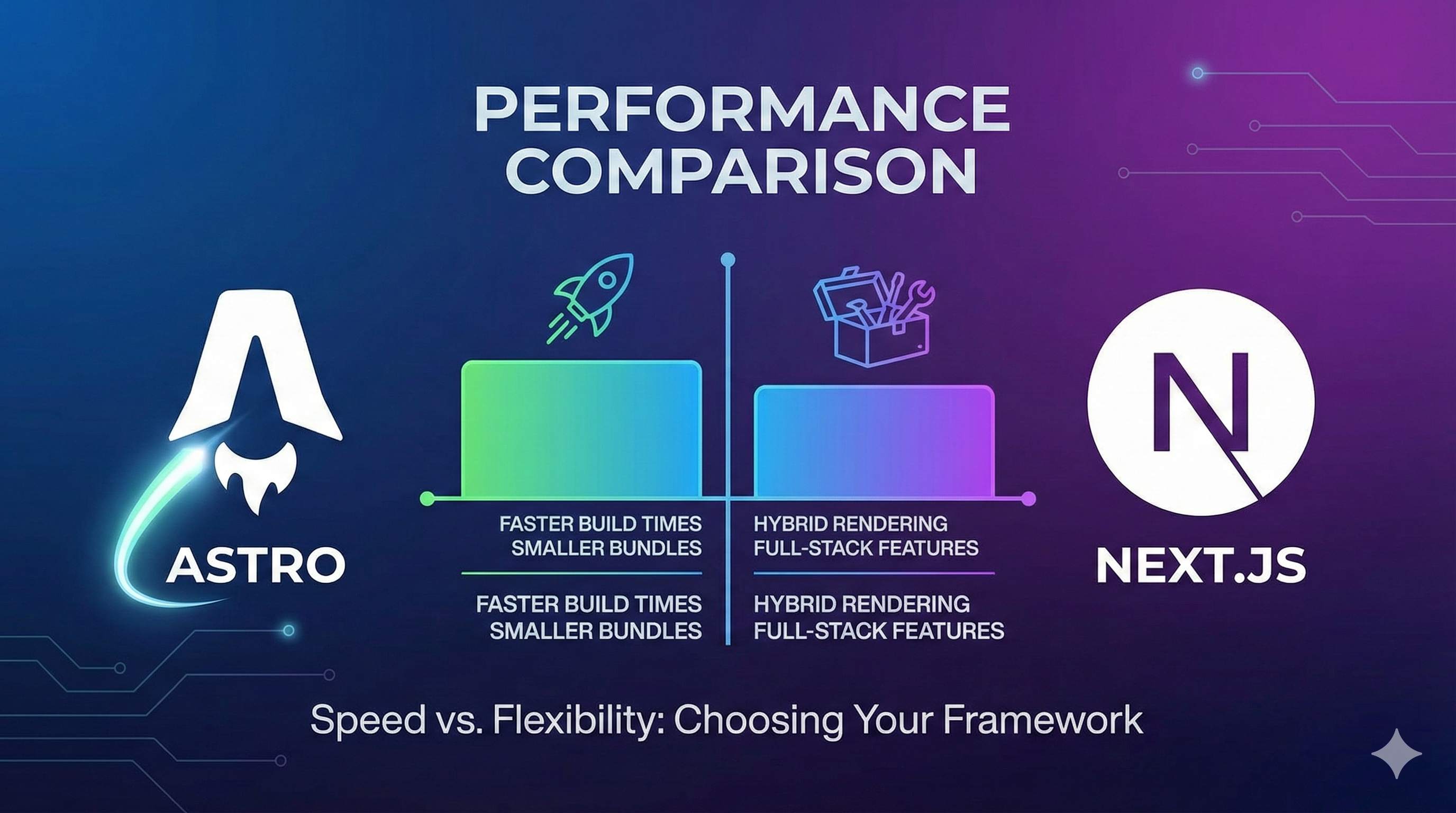
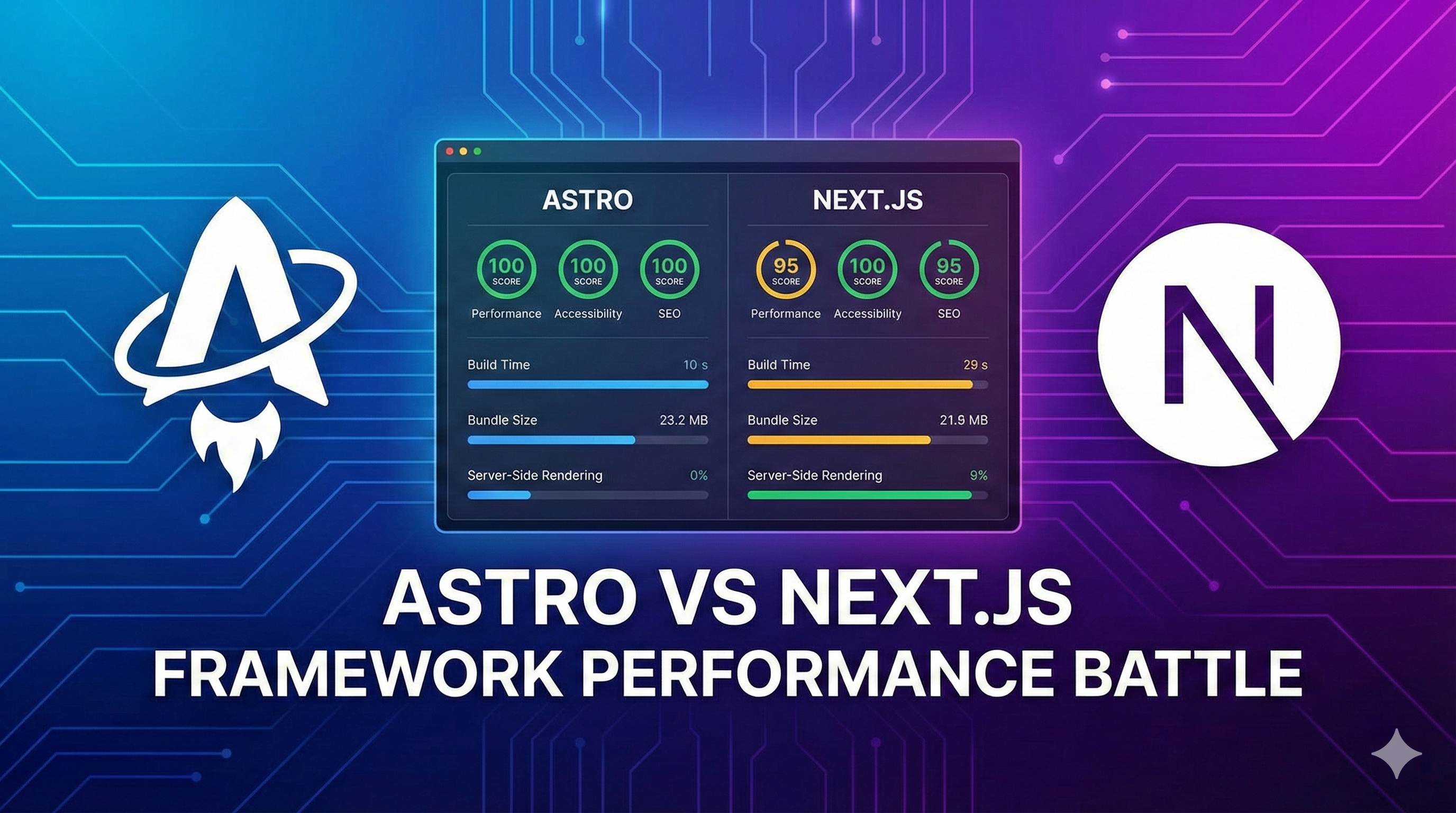
Astro vs Next.js: The Technical Truth Behind 40% Faster Static Site Performance
In-depth comparison of Astro and Next.js for static websites, covering performance, features, and ecosystems. Astro delivers 40% faster load times and 90% less JavaScript than Next.js, but Next.js excels in dynamic content and React ecosystem. Includes performance benchmarks, decision trees, and deployment guides.
Astro vs Next.js: Which Should You Choose for Static Sites? Complete Guide on Performance, Cost & Use Cases
Deep dive into Astro vs Next.js for static sites: performance differences (Astro is 40% faster with 90% less JS), feature limitations, developer experience, and use cases. Complete decision tree included to help you choose in 30 minutes.